
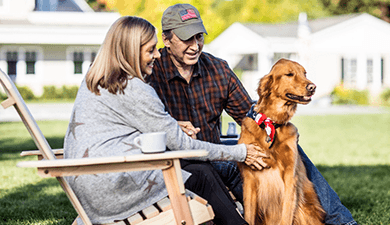


Dogs don't care what rank you were, what you saw, or how long you've been home; they're just glad you're there. For some Veterans, that unconditional presence becomes the best part of their day.
Whether through trained service dogs or beloved family pets, the bond between Veterans and dogs can help with many of the psychological challenges that can sometimes follow military service.
The Mental Health Crisis Facing Veterans
Veterans face mental health challenges at rates significantly higher than the civilian population. According to the Department of Veterans Affairs, about 11-20% of Veterans who served in Operations Iraqi Freedom and Enduring Freedom have PTSD in a given year. For Vietnam Veterans, the rate is approximately 12%.
Some Veterans come home and transition smoothly, while others find the adjustment genuinely hard. Traumatic brain injury, depression, anxiety, and social isolation are also common, and they frequently occur together rather than in isolation. Leaving a structured environment built on shared purpose and close bonds is a significant life change, and the difficulty of that shift is often underestimated.
How Dogs Help Veteran Mental Health Needs
Dogs provide therapeutic benefits that complement other mental health treatments. The relationship between Veterans and dogs works on both practical and emotional levels.
Reducing Hypervigilance and Anxiety
Hypervigilance, a common PTSD symptom, keeps sufferers in a constant state of alert. Service dogs trained to check rooms, watch the Veteran's back in public spaces, and create physical barriers in crowded areas help reduce this exhausting vigilance.
When a Veteran trusts their dog to monitor the environment, their nervous system can relax. The dog's calm behavior signals safety, helping the Veteran's brain recognize that immediate danger isn't present.
Providing Grounding During Flashbacks and Panic Attacks
Trained service dogs recognize signs of distress and intervene before symptoms escalate. They may:
- Apply pressure therapy by leaning against or lying on the Veteran
- Lick the Veteran's face or hands to redirect attention to the present moment
- Guide the Veteran to a quieter, safer location
- Retrieve medication during panic attacks
These interruptions help Veterans regain control before symptoms become overwhelming.
Creating Structure and Purpose
Dogs require daily care regardless of how the Veteran feels. Feeding schedules, walks, and grooming create a routine that counters the aimlessness that may creep in after leaving structured military life.
This responsibility gives Veterans a reason to get out of bed on difficult days. The dog depends on them, creating purpose when purpose feels absent.
Combating Social Isolation
Dogs facilitate social connections naturally. Walking a dog creates opportunities for casual conversations with neighbors. Other dog owners at parks become familiar faces. These low-pressure interactions ease Veterans back into social engagement without anxiety or pressure.
For Veterans who avoid crowds, the dog's presence makes leaving home feel safer. Knowing the dog will alert to potential threats allows Veterans to participate in activities they would otherwise skip.
Improving Sleep Quality
Many Veterans with PTSD experience nightmares and difficulty sleeping. Dogs trained to recognize nightmare behaviors can wake Veterans before nightmares become severe. The dog's physical presence in the bedroom also provides a sense of security, helping some Veterans fall asleep and stay asleep more consistently.
Even untrained companion dogs offer comfort. Their steady breathing and warmth create a sense of security that makes rest easier.
The Science Behind Human-Dog Bonds
The benefits Veterans experience with dogs aren't just anecdotal. Research demonstrates measurable physiological and psychological changes.
Cortisol Reduction and Oxytocin Release
Interacting with dogs reduces cortisol, a stress hormone, while increasing oxytocin, often called the "bonding hormone." According to research published by the National Institutes of Health, human-dog interaction activates the same bonding pathways that connect parents and infants.
This biochemical response happens within minutes of petting or playing with a dog. For Veterans with chronic stress, these regular oxytocin boosts help regulate mood and reduce anxiety over time.
Heart Rate and Blood Pressure Stabilization
Studies show that petting dogs lowers heart rate and blood pressure. For Veterans whose bodies remain in fight-or-flight mode due to PTSD, this physiological calming provides relief that their nervous systems struggle to achieve independently.
Increased Physical Activity
Dog ownership naturally increases physical activity through daily walks. The Centers for Disease Control and Prevention notes that dog owners are more likely to meet daily physical activity recommendations than non-owners.
Exercise improves mental health by boosting endorphin levels, promoting better sleep, and reducing stress. For Veterans dealing with depression, the obligation to walk the dog creates movement on days when motivation is absent.
Service Dogs vs. Companion Animals: Understanding the Difference
Not all dogs that help Veterans are service dogs. Understanding the distinction helps Veterans make informed decisions about their needs.
Service Dogs
The Americans with Disabilities Act defines service dogs as dogs individually trained to perform specific tasks for people with disabilities. For Veterans, these tasks might include:
- Checking rooms and spaces before the Veteran enters
- Providing stability and balance for those with TBI-related mobility issues
- Alerting to sounds the Veteran cannot hear due to hearing loss
- Interrupting nightmares or flashbacks through trained responses
- Retrieving medication or phones during medical emergencies
Service dogs have legal access rights to public spaces, housing, and air travel that other animals do not. However, getting a service dog requires extensive training, often taking 18-24 months, and may involve waiting lists through organizations that provide them to Veterans.
Emotional Support Animals and Companion Dogs
Dogs that provide comfort, reduce anxiety, and ease loneliness without specific task training are typically considered emotional support animals or companion dogs. While they offer genuine therapeutic benefits, they don't have the same legal access rights as service dogs.
Many Veterans find that a well-loved family dog provides substantial mental health support even without formal service dog training. The relationship, consistency, and daily care create benefits regardless of the dog's legal classification.
Getting a Service Dog or Adopting a Companion Animal
Veterans have multiple pathways to finding dogs that support their mental health needs.
Service Dog Organizations
Several nonprofit organizations provide trained service dogs to Veterans at no cost or reduced cost. Organizations like Assistance Dogs International maintain standards for service dog training and can help Veterans find accredited providers.
Wait times vary by organization and can extend from months to over a year, depending on demand and available dogs.
VA Resources for Service Dogs
The VA offers some support for service dogs. The VA provides veterinary care for service dogs that assist Veterans with mobility issues, visual impairments, or hearing loss. However, coverage for psychiatric service dogs remains more limited.
The VA offers resources that connect Veterans with service dog organizations and provide information about benefits and eligibility requirements.
Adopting or Rescuing Companion Dogs
Veterans who prefer companion dogs rather than service dogs have more immediate options. The Humane Society provides resources for finding shelters and rescue organizations. When choosing a companion dog, Veterans should consider:
Temperament
Calm, confident dogs adapt better to the needs of Veterans dealing with PTSD or anxiety. Dogs that startle easily or show aggression require experienced handlers.
Size and Exercise Needs
Larger dogs provide more physical presence for grounding and security, but require more space and exercise. Smaller dogs adapt to apartments and have lower care costs.
Age
Adult dogs often have established temperaments that are easier to assess than puppies. Older dogs frequently need homes and adapt well to quiet households. There are senior dog rescues across the USA that can help you find the perfect older companion pet.
Breed Characteristics
Research breed traits so you have some idea what you're signing up for. Some breeds naturally alert to sounds and movements, which may increase hypervigilance rather than reduce it. Others are naturally calm and less reactive.
Local VA medical centers sometimes host adoption events or maintain connections with rescue organizations that prioritize Veteran placements.
Training Your Own Service Dog
Some Veterans choose to train their own dogs for specific tasks. While this requires time and knowledge, it does give you flexibility and immediate companionship without a waiting list.
Consider:
- Starting with a puppy or young dog with the right temperament for you
- Working with professional trainers experienced in psychiatric service dog training
- Understanding that not all dogs have the temperament for service work
- Committing to consistent training over many months
- Ensuring the dog's tasks specifically mitigate disability symptoms
Veterans interested in this path should research service dog training standards through organizations such as Assistance Dogs International and potentially work with trainers specializing in psychiatric service animals.
Overcoming Barriers to Dog Ownership
Some Veterans hesitate to get dogs despite wanting one. Common barriers include:
Financial Concerns
Dogs require ongoing expenses, including food, veterinary care, and supplies. However, many communities have low-cost veterinary clinics, and some organizations provide financial assistance for Veterans' pets.
Housing Restrictions
Rental properties may have breed restrictions or pet fees. Service dogs have legal protections under fair housing laws, but companion dogs may face more limitations.
Worry About Future Deployments or Instability
Active duty service members or Veterans concerned about future moves may hesitate to commit to a dog. Planning for temporary care during absences and choosing portable dog sizes can address these concerns.
Past Loss of a Beloved Dog
For those Veterans who have lost beloved dogs in the past, it can be off-putting to imagine experiencing that grief again. While the loss is real, many find that the quality-of-life improvements during the dog's lifetime outweigh the eventual pain of loss.
The Road Ahead
The relationship between Veterans and dogs represents more than companionship. For many, it's a lifeline that makes daily functioning possible when other treatments fall short.
Whether through trained service dogs or devoted family pets, these animals provide what Veterans need most after service: unconditional acceptance, steady presence, and a reason to keep moving forward when the past weighs heavily.
The path from combat to civilian life involves profound adjustment. A dog won't solve every challenge a Veteran faces, but for those who connect with these loyal companions, the journey becomes more manageable.
If you're a Veteran considering a dog, start by assessing your needs and then connect with organizations that understand both dogs and military service.
FAQs
Do I need a service dog, or is a regular companion dog enough?
If you need a dog to perform specific tasks like checking rooms, interrupting nightmares, or providing physical support during panic attacks, a trained service dog is appropriate. If you primarily need companionship, routine, and emotional support, a well-chosen companion dog may give you substantial benefits without the training and waiting periods service dogs require.
How do I know if a service dog will help my PTSD?
Service dogs help many Veterans with PTSD, but not everyone. If you struggle with hypervigilance in public, avoid leaving home due to anxiety, experience frequent panic attacks, or have nightmares that disrupt sleep, a service dog's trained tasks may provide relief. Discuss the option with your VA mental health provider, who can assess whether a service dog suits your specific situation.
What if I can't afford veterinary care for a dog?
Several organizations provide financial assistance for Veterans' pets, and the VA provides free veterinary care for service dogs if you qualify.
Can the VA help me get a service dog?
The VA provides information and resources for connecting with service dog organizations but does not directly provide or fund psychiatric service dogs for most Veterans. The VA does offer veterinary care for service dogs that assist with mobility, vision, or hearing impairments.
What happens if my service dog doesn't work out?
Most service dog organizations provide ongoing support and will work with you to address challenges. If the match truly isn't right, many organizations will place the dog elsewhere and potentially match you with a different dog. The training period typically includes an evaluation to assess compatibility before final placement, reducing the likelihood of failed matches.