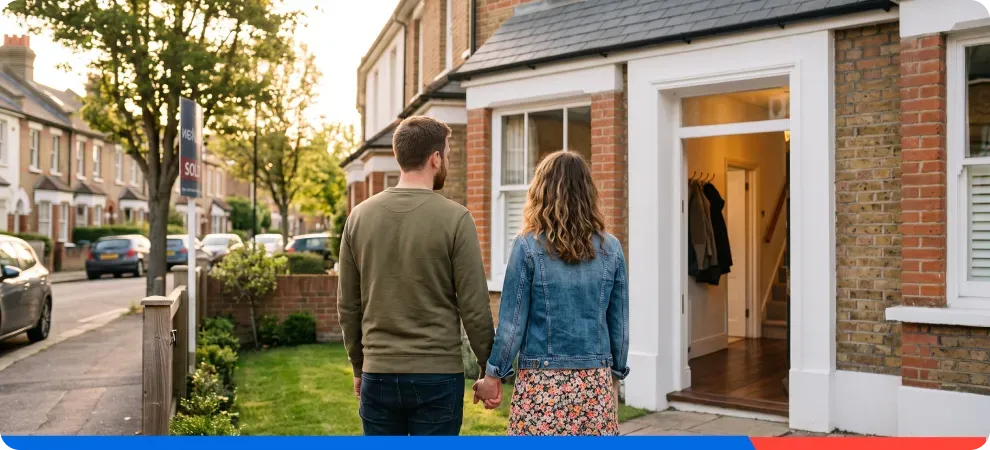




Buying a home is one of the biggest financial decisions you'll make, and proper planning can mean the difference between a smooth transaction and a stressful struggle. To successfully purchase a house in 2026, you need to get your financial house in order first. Then you'll navigate the home search, offer process, and closing while preparing for the ongoing costs of homeownership.
For Veterans, understanding your VA loan benefits adds another layer of advantage to the process. This guide walks you through 11 essential steps to prepare financially and strategically for homeownership in 2026.
Step 1: Check and Improve Your Credit Score
Your credit score affects your mortgage approval and interest rate. Before you start house hunting, know where you stand.
Request free credit reports from all three bureaus at AnnualCreditReport.com. Review them for errors and dispute any inaccuracies. Even small errors can affect your score, so take the time to get this right.
If your credit needs improvement, focus on paying all bills on time since payment history is the biggest factor. Then, reduce credit card balances to below 30% of your limits, avoid new credit applications in the months before applying for a mortgage, and keep old accounts open to maintain credit history length.
For Veterans using VA loans, credit requirements are often more flexible than conventional loans, but better credit still means better rates and terms. Even a small improvement in your score can save you thousands over the life of your loan.
Step 2: Understand Your VA Loan Benefits
If you're a Veteran, understanding your VA loan eligibility gives you an advantage in the home buying process. VA loans offer many benefits that have helped millions of Veterans achieve homeownership who might not have qualified for conventional financing.
Obtain your COE (Certificate of Eligibility) early in your planning process. You can request it online, through your lender, or by mail.
Check the VA's loan limits for your area to understand your purchasing power. In 2026, Veterans with full entitlement can typically purchase without hitting loan limits, but it's worth understanding how this works for your situation.
Step 3: Calculate Your True Home Buying Budget
Many first-time buyers focus only on the home price, but owning a home involves numerous ongoing costs that can catch you off guard if you're not prepared.
Your budget should account for the mortgage payment (principal and interest), property taxes, homeowners insurance, HOA fees if applicable, utilities (often higher in a house than an apartment), and maintenance and repairs (budget 1-2% of home value annually).
Use the 28/36 rule as a guideline: your housing costs shouldn't exceed 28% of your gross monthly income, and your total debt payments shouldn't exceed 36%. While this isn’t a requirement for a VA loan, it's a helpful benchmark for ensuring you can afford the lifestyle that comes with your home.
Don't forget closing costs, which typically run 2-5% of the purchase price. Even with a VA loan requiring no down payment, you'll have closing costs to cover unless you negotiate seller concessions.
Step 4: Build Your Savings and Emergency Fund
While VA loans don't require down payments, having cash reserves strengthens your financial position and provides peace of mind.
Save for closing costs (even if reduced through seller concessions), moving expenses, immediate home repairs or improvements that can't wait, furniture and appliances if needed, and an emergency fund covering 3-6 months of expenses.
Having savings can help in competitive markets. It also protects you if your water heater dies two weeks after moving in or your roof needs unexpected repairs. Consider setting up automatic transfers to a dedicated home buying savings account. Even a small monthly amount adds up, and it’s easier not to miss money you never see in your checking account.
Step 5: Get Pre-Approved for Your Mortgage
Pre-approval is different from pre-qualification, and the difference matters. Pre-qualification gives a rough estimate based on self-reported information. Pre-approval involves submitting documentation and having a lender verify your finances, resulting in a conditional commitment for a specific loan amount.
For pre-approval, gather recent pay stubs, W-2s or tax returns from the past two years, bank statements showing assets and reserves, information about debts and monthly payments, and your Certificate of Eligibility if using a VA loan.
Pre-approval letters show sellers you're a serious buyer who can close the deal. In competitive markets, sellers may not even consider offers without pre-approval.
Step 6: Research Markets and Neighborhoods
Location affects not just your daily life but also your home's appreciation potential and resale value. Even if you think you'll live somewhere forever, life has a way of changing plans.
Research neighborhoods considering commute times to work (or home office setup if you work remotely) and school quality if you have or plan to have children. Look for nearby amenities like grocery stores, parks, and healthcare, crime rates and safety, and future development plans that might affect property values.
In 2026, pay attention to how neighborhoods are evolving. Remote work flexibility has changed what many buyers prioritize. Some previously less desirable areas have become hot markets as buyers seek more space and lower costs.
Visit neighborhoods at different times. A quiet street on Tuesday afternoon might be chaotic on Saturday morning with youth sports traffic. Talk to potential neighbors about their experiences. Many people will be happy to share insights about living in the area.
Step 7: Assemble Your Team of Professionals
Having the right professionals makes the process smoother and less stressful. Find a real estate agent experienced with VA loans if you're using VA financing. Interview multiple agents and choose someone who understands your needs, knows your target markets well, communicates effectively, and doesn't pressure you.
Your lender is equally important. Look for lenders specializing in VA loans who can explain the process clearly and have a track record of closing on time. Ask other Veterans for recommendations. You'll also need a home inspector and insurance agent. In some states, you'll need a real estate attorney.
Step 8: Start House Hunting Strategically
With your finances in order and your team assembled, begin your home search with clear criteria but realistic expectations. Make a list of must-haves versus nice-to-haves. Consider what you can compromise on. You might not find a perfect home, but you can find the right home for your needs and budget.
Attend open houses to get a feel for what's available in your price range. Save listings that interest you and note what you like or dislike about each property. This helps you refine your criteria. Be prepared to act quickly in competitive markets, but don't let urgency override good judgment. If a home has serious issues or doesn't feel right, keep looking. The right home is worth waiting for.
Step 9: Make an Offer
When you find the right home, work with your agent to craft a strong offer that stands out without overextending yourself financially. Your offer should include the purchase price, earnest money deposit (typically 1-2% of the purchase price), proposed closing date, contingencies (financing, appraisal, inspection), and any requests regarding appliances or repairs.
In competitive markets, consider offering the asking price or above if the home is priced fairly and you can afford it. It may also help to increase earnest money to show commitment, being flexible on closing dates to accommodate seller needs, and writing a personal letter to the seller explaining why you love their home. Your pre-approval letter and VA benefits make you a strong buyer.
Step 10: Navigate Inspections and Appraisals
Once your offer is accepted, the due diligence period begins. This is your chance to make sure you're making a sound investment. Schedule a home inspection within the timeframe specified in your contract. Attend the inspection if possible and ask questions. The inspector will identify issues with the home's structure, systems, and components.
The VA appraisal serves two purposes: establishing fair market value and ensuring the property meets VA Minimum Property Requirements. The property must be safe, structurally sound, and sanitary.
If the appraisal comes in low, you can negotiate with the seller to reduce the price, pay the difference in cash, or walk away if your contract includes an appraisal contingency. Don't panic. Low appraisals happen, and most can be resolved through negotiation.
Step 11: Secure Homeowners Insurance
Lenders require homeowners insurance before closing, and you want adequate coverage to protect your investment.
Shop around for insurance quotes from multiple companies. Rates can vary significantly for the same coverage. Ask about discounts for bundling with auto insurance, home security systems, or claims-free history.
Make sure your policy covers the full replacement cost of your home, not just its market value. Also consider additional coverage for personal belongings, liability protection, and any specific risks in your area like floods or earthquakes (which typically require separate policies).
Provide your insurance information to your lender well before closing to avoid delays.
Your Path to Homeownership Starts Now
Buying a home in 2026 requires careful planning, but following these 11 steps puts you on solid footing. Start working on your credit and savings now, even if you're not planning to buy for several months. Every step you take toward financial readiness brings you closer to homeownership.
Remember that buying a home is both a financial decision and a personal one. Don't let spreadsheets and numbers make you forget why you want to buy in the first place. Whether it's creating stability for your family, building equity instead of paying rent, or finally having space for that workshop you've always wanted, keep your goals in mind throughout the process.
Take it one step at a time, ask for help when you need it, and trust the process. Thousands of Veterans successfully buy homes every year, and with the right preparation and support, you can join them. Read more about VA loans and take your first step toward homeownership in 2026.
FAQs
How much should I save before buying a house?
For VA loan buyers, you'll need enough to cover closing costs, moving expenses, immediate repairs or purchases, and ideally 3-6 months of expenses in an emergency fund.
Can I buy a house with bad credit using a VA loan?
VA loans are more flexible with credit requirements than conventional loans, and there's no VA-mandated minimum credit score. However, individual lenders set their own minimums. If your credit needs work, spend a few months improving it before applying. The better rates you'll qualify for can save you tens of thousands of dollars.
How long does it take to buy a house from start to finish?
From starting your home search to closing typically takes 3-6 months. Once you're under contract, closing usually takes 30-45 days. Give yourself at least 6-12 months of preparation time before you start shopping if you need to improve credit, save money, or research markets.
Should I buy a house in 2026 or wait?
There's no universal "right time" to buy. Buy when you're financially ready, plan to stay in the area for at least 5 years, have stable employment, and find a home that fits your needs and budget. Trying to time the market perfectly may mean missing opportunities. Focus on your personal readiness rather than trying to predict market movements.