

For many Veterans, the path back to homeownership is not as complicated as it feels. The bigger problem is often not knowing what is possible.
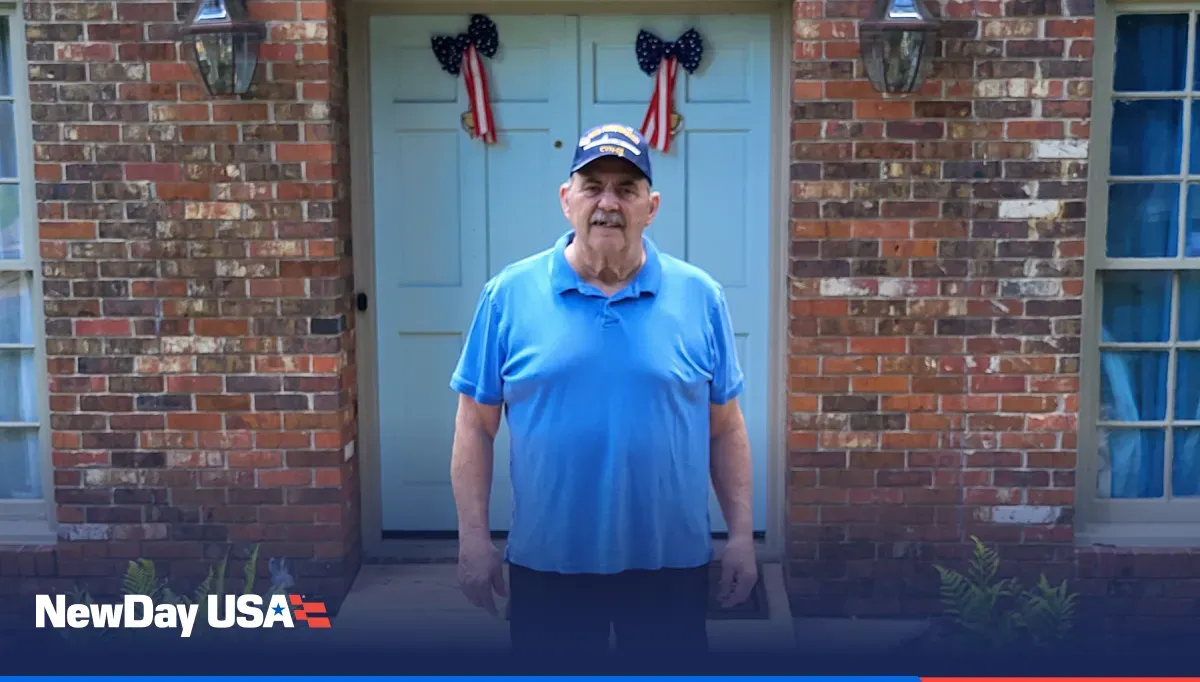
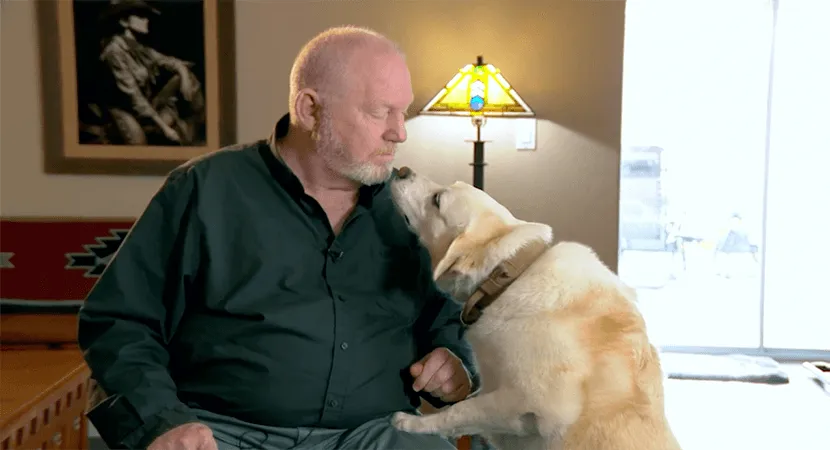
Jim Smith had owned homes before. The U.S. Marine Corps Veteran had the service history, the benefit, and years of work building his credit. What kept him from buying again was that rent kept going up, and every time he got close to having enough set aside for upfront homebuying costs, the gap widened again.
It is a situation more Veterans find themselves in than most people realize. According to the Federal Reserve's 2024 report on U.S. household economic well-being, the median rent paid by American renters rose roughly 10% per year between 2022 and 2024. When rent is eating that much of your monthly budget, saving for closing costs becomes a moving target. For Smith, that cycle was the obstacle, and it turned out there was a way around it he did not know existed.
An Underestimated Benefit
Smith didn’t realize he could use his VA home loan benefit again.
Many Veterans who have previously purchased a home assume the benefit is a one-time use, but it’s not. The VA home loan benefit can be used more than once. When a Veteran sells their home and pays off the original VA loan, their entitlement is fully restored. Even in cases where a prior VA loan is still active, second-tier entitlement may allow for another purchase.
Finding the Right Strategy
Smith was introduced to Neil Brooks, an Admiral-certified real estate agent and NewDay Home Spokesperson. Brooks immediately recognized that Smith had more buying power than he realized. Getting a Veteran into a home is one thing. Structuring a deal that works for their financial situation is another.
"Veterans often have stronger buying power than they realize, but execution matters," said Brooks. "When you understand how to structure the deal and advocate effectively, you can remove many of the barriers that typically hold buyers back."
Together, they built a transaction designed to eliminate upfront costs and create a monthly payment that made sense from day one.
How the Deal Came Together
The foundation of Smith's purchase was the NewDay Home Advantage Loan, combined with focused negotiation on the seller side. NewDay Home Advantage is a companion personal loan that covers closing costs on a VA purchase, financed over five years with no interest if repaid within the first year. It lets Veterans buy with no money down and no closing costs out of pocket, while keeping their savings free for moving expenses and life after the move.
Under VA loan guidelines, sellers can contribute toward a buyer's closing costs and can provide concessions of up to 4% of the loan amount to cover additional expenses. Brooks used that structure to full effect. The result was a transaction where all closing costs were financed, a one-year home warranty was paid by the seller, and additional funds were provided at closing to support Smith's move into the home.
Seller concessions also helped bring Smith's monthly mortgage payment nearly in line with what he had been paying in rent, making the transition from renting to owning both financially achievable and sustainable.
"I've owned homes before, but this experience was completely different," Smith said. "I was blown away by what was possible and how everything came together."
This outcome came from knowing how VA loans work, knowing how to negotiate, and knowing which tools to use at each stage of the transaction.
Why This Matters Beyond One Buyer
More than 3.2 million Veterans in the United States currently rent their homes. For many of them, the assumption is that rising home prices and upfront costs have put buying out of reach. In some cases that may be true, but for a significant number, the barrier is not the market. It is a gap in information about what the VA loan benefit makes possible.
The benefit eliminates the need for a down payment. It does not require private mortgage insurance. And as Smith's situation illustrates, when an experienced agent understands how to use seller concessions strategically, closing costs do not have to come out of the buyer's pocket either. For a Veteran who has been stuck in a rising-rent cycle, that changes the entire calculation.
"Having the right team made all the difference," Smith added. "It changed what I thought was possible."
What Veterans Should Know Before They Start
Smith's experience reflects a few realities that apply to any Veteran considering a home purchase in today's market.
The first is that prior homeownership does not disqualify you from using your VA benefit again. Entitlement restoration is a standard part of the program, and a knowledgeable loan officer can confirm your status quickly using your Certificate of Eligibility.
The second is that a VA purchase does not have to mean high out-of-pocket costs. Seller concessions, lender credits, and the absence of a down payment requirement or PMI create real flexibility that most conventional loans cannot match. The key is working with people who know how to structure the deal.
The third is timing. Waiting until you have enough saved for a traditional down payment or closing costs may not be necessary. For Veterans with restored entitlement and a well-structured offer, homeownership may be closer than it appears. Find out what your VA home loan benefit makes possible.
FAQs
Can I use my VA loan benefit again if I have bought a home before?
Yes. The VA home loan benefit is not a one-time entitlement. When you sell your home and pay off the original VA loan, your entitlement is fully restored.
Do VA loans really require no down payment?
In most cases, yes. Veterans with full entitlement are not subject to a VA-imposed loan limit and can purchase without a down payment as long as they qualify based on income and credit.
Can a seller really cover closing costs on a VA loan?
Yes. VA guidelines allow sellers to pay a buyer's closing costs and provide concessions of up to 4% of the loan amount for additional expenses.
What is the NewDay Home Advantage Loan?
NewDay Home Advantage is a companion personal loan that covers closing costs on a VA purchase, financed over five years with no interest if repaid within the first year.
What if I am worried my credit or income is not strong enough?
The VA loan program can offer more flexibility on credit than conventional mortgages. If you are unsure where you stand, speaking with a loan officer who focuses on Veterans is the right first step.